These North Queensland horticulture and cane growers are using monitoring, improved fertiliser practices and whole‑farm planning to reduce nutrient run-off and protect reef water quality.
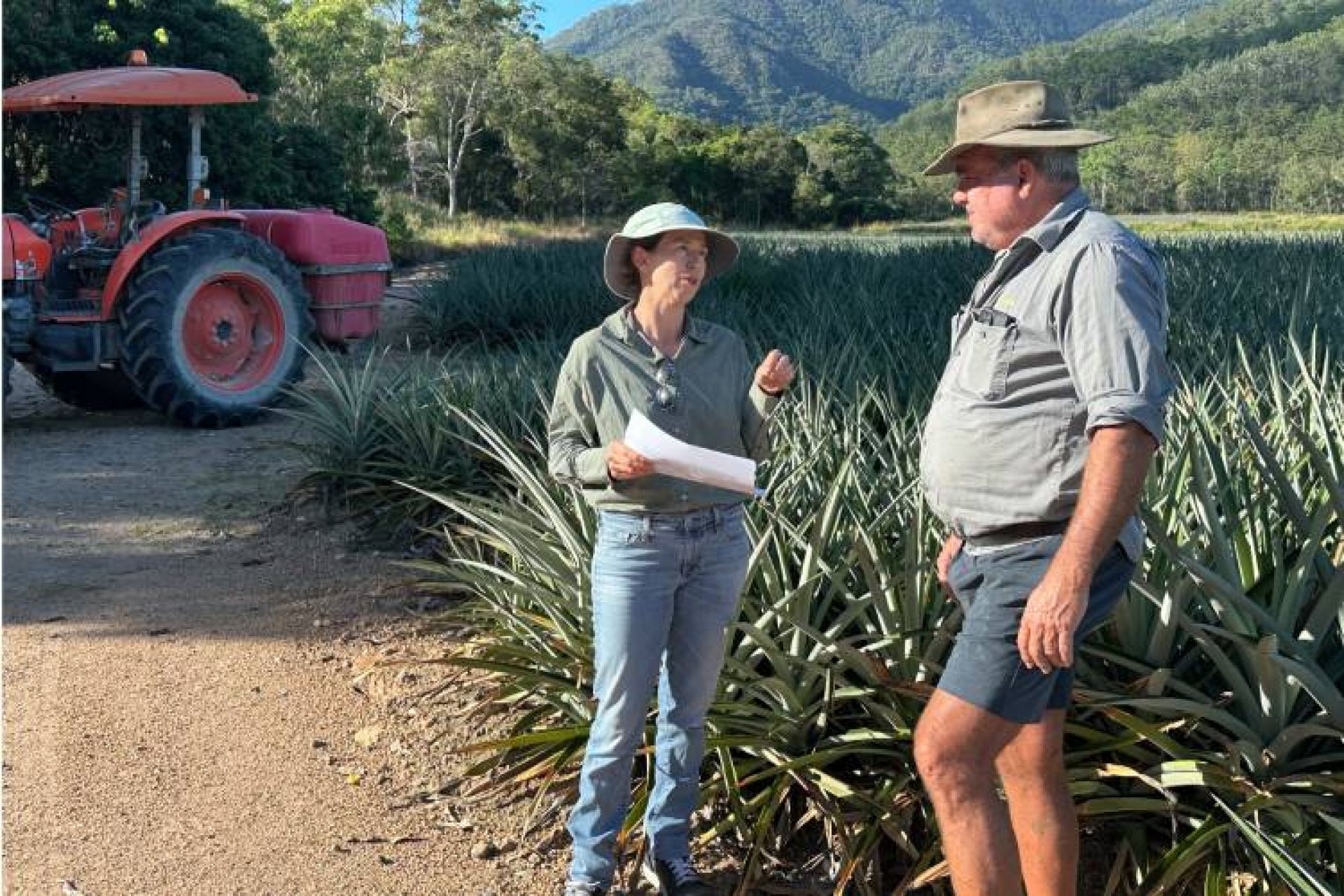
For more than 90 years, the Pace family has been growing pineapples in North Queensland. Today, their business—Pace Farming—continues to evolve, focusing on practical ways to improve both productivity and environmental outcomes.
Located close to the Great Barrier Reef and surrounded by national parks, the farm places a strong emphasis on reducing nutrient and sediment run-off while maintaining a productive operation.
A focus on improving practices
Pace Farming grows around 200 hectares of pineapples, producing up to 5,000 tonnes each year for the fresh market. The business also runs sugarcane, other horticulture crops and cattle across several properties.
Over time, the family has introduced a range of changes to improve how water, nutrients and soil are managed across the farm. These include:
- applying fertiliser in smaller amounts more frequently to improve efficiency
- laser levelling paddocks to better manage water movement
- installing drainage systems to reduce waterlogging and disease risk
- establishing ground cover crops to stabilise soil and reduce erosion
- maintaining vegetated buffers along waterways
- diverting run-off into recycling pits and vegetated drainage lines to enable water reuse and reduce the amount of nutrients and sediments leaving the property.
Working with data to guide decisions
Pace Farming has worked with the Department of Primary Industries (DPI) on water quality monitoring and vegetated drain trials. Early results from this work have been encouraging, showing lower nitrate levels in farm run-off compared to some other pineapple-growing regions.
The monitoring is helping the business better understand where and when nutrient losses occur, supporting more targeted management decisions.
A vegetated drain trial on the farm has also shown that grasses and sedges in drainage lines can help remove nitrate from water before it leaves the farm.
Mr Pace said the data provides confidence that their approach is working and that data shows the new practices are making a difference.
Building healthier soils
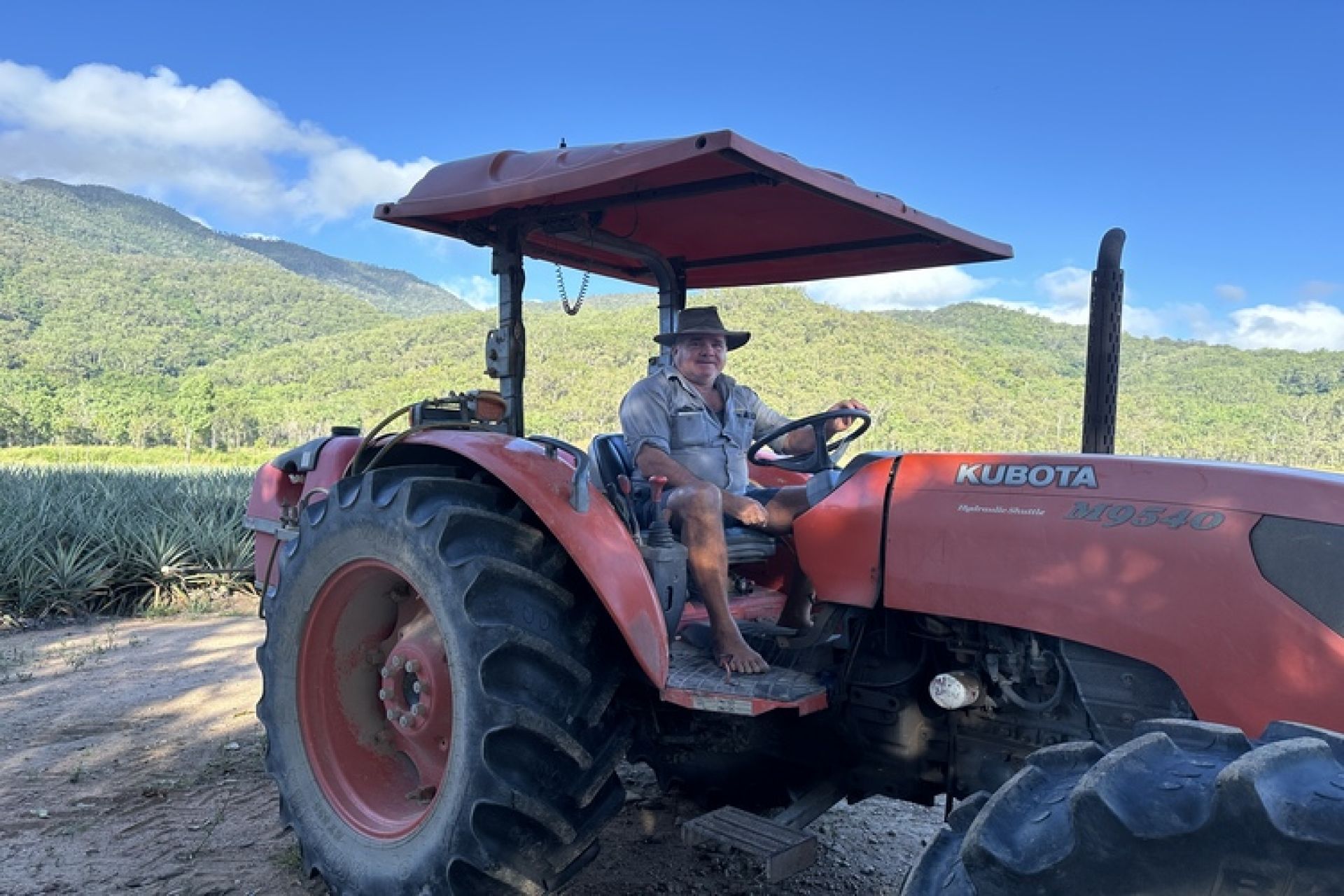
Improving soil health is another priority for the business. Pineapples are grown in rotation with other crops such as pumpkins and melons. In the sugarcane enterprise, soybeans are used to return nitrogen to the soil.
Paddocks are also rested through fallow periods and together with the well-planned rotations help with looking after the land and keeping it productive.
Continuous improvement
Pace Farming is certified under Smartcane BMP and is working through Hort360 accreditation to support best practice across the business.
Mr Pace said being open to change has been important, even when it comes with new challenges and puts the farm in a better position for the future.
Looking ahead
As a multigenerational business, the Pace family is focused on leaving the land in good condition for the next generation and continuing to make changes that improve sustainability and productivity.
Last updated: 07 Jul 2026