Three industry-led peacetime exercises have been delivered to strengthen Queensland’s readiness and response capabilities.
We’ve all heard the saying ‘practice makes perfect’ and biosecurity response readiness is no different.
Biosecurity incidents are on the rise, driven by a combination of factors – changing climate conditions, increased movement of people and goods and shifting land use.
Preventing biosecurity outbreaks is our priority, however we also need to ensure all levels of government and industry are well prepared and ready to respond should a biosecurity incident occur.
Round 2 of the Queensland Biosecurity Boost Grants Program funded three industry-led peacetime exercises to strengthen Queensland’s readiness and response capabilities.
These exercises empowered our stakeholders to independently design and deliver activities that enhance biosecurity practices and build preparedness capability that directly benefits industry whilst strengthening Queensland’s biosecurity system.
Clear roles and responsibilities matter
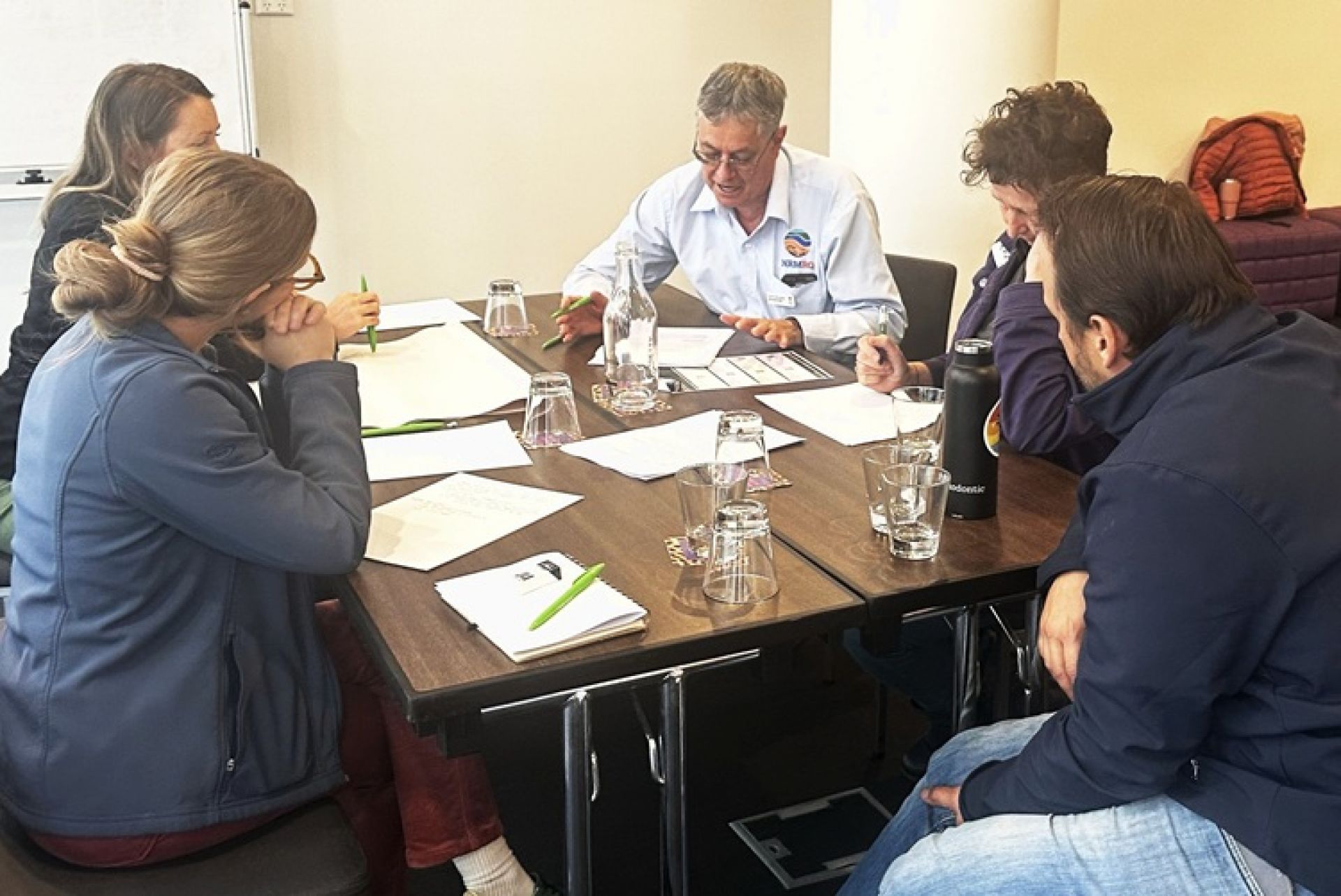
Over 450 Natural Resource Management (NRM) officers work across Queensland on the frontline, in our communities. A clear understanding of their roles and responsibilities and knowing where to find information and what to do, during suspected or confirmed emergency animal disease outbreaks, ensures a fast response.
NRM Queensland brought together leaders from across the state to provide a train the trainer workshop to increase understanding of H5 bird flu response and the role of their organisation.
The workshop included presentations on emergency animal disease response and a scenario-based exercise on a H5 bird flu incursion.
Shared understanding key to preparedness
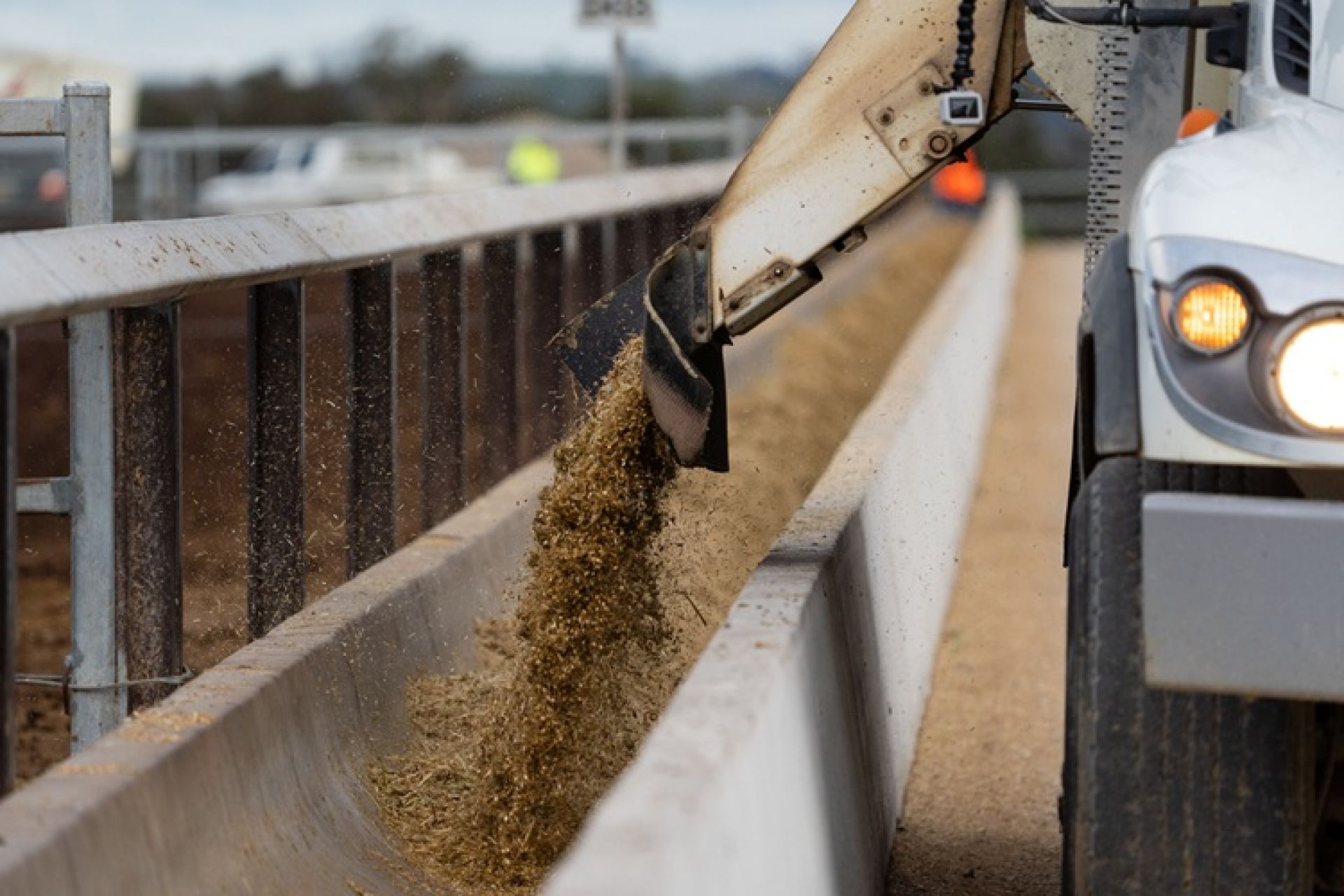
Intensive livestock industries play a critical role in emergency animal disease responses.
The Australian Lot Feeders’ Association brought together three intensive livestock industries for cattle, pork and chicken, Animal Health Australia and Biosecurity Queensland representatives to discuss challenges, enable industry perspectives to be shared, and build preparedness for emergency animal disease responses.
The exercise included presentations from Biosecurity Queensland and the Australian Lot Feeders’ Association, alongside a forward-thinking presentation from the USA on livestock welfare strategies and trials, and their potential for use in Australia.
Participants ended the day with a shared understanding of emerging methods, technology and approaches to livestock welfare and the benefits they offer.
A common thread
The cotton industry contributes over $1 billion to the Queensland economy annually and is one of the state’s most valuable agriculture sectors.
Boll weevil is one of the top threats to the Australian Cotton Industry and has the potential to significantly impact Queensland’s cotton growers and disrupt transport, processing, manufacturing, exports and the many businesses that service the sector.
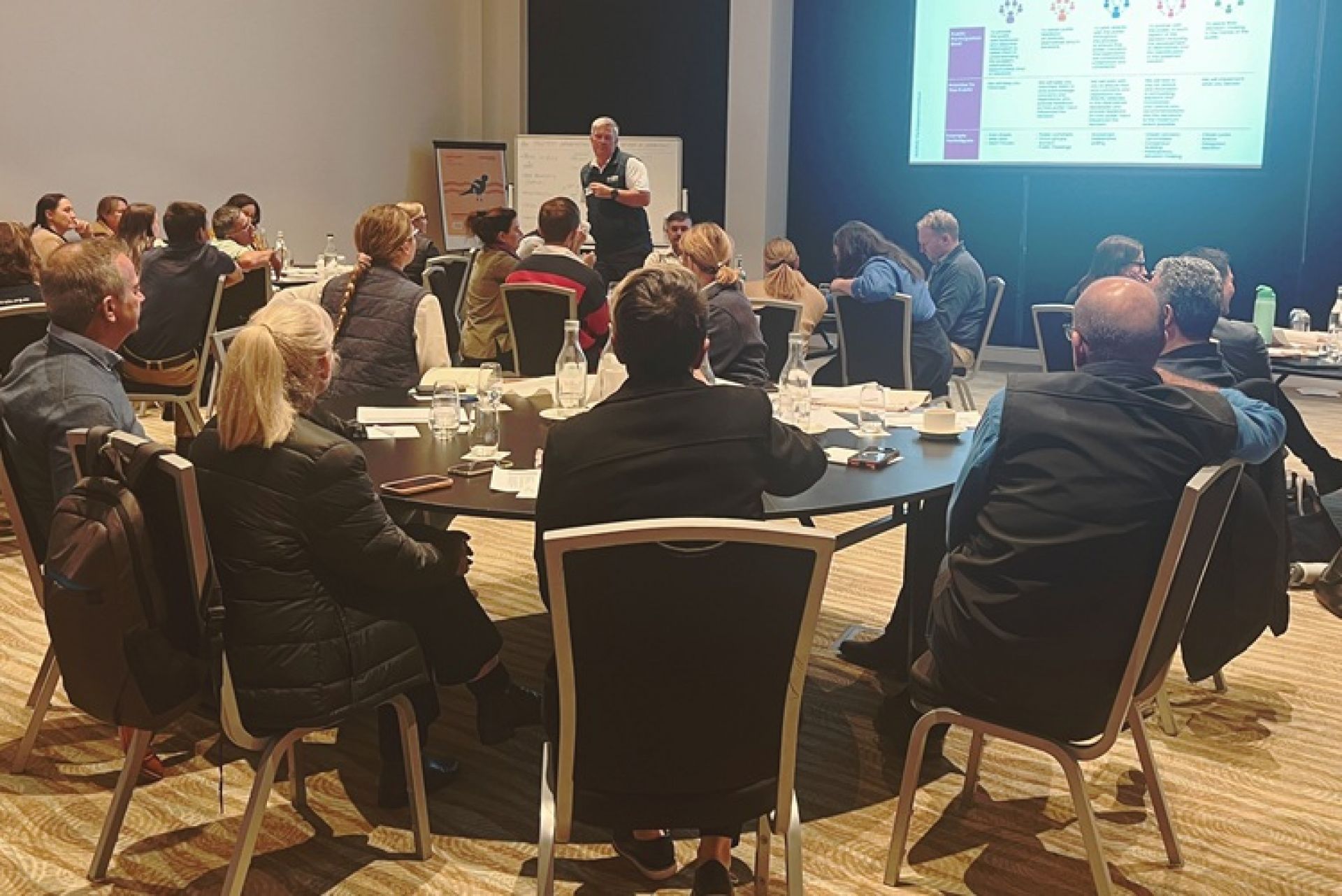
The Australian Cotton simulation of a boll weevil incursion, Exercise Common Thread successfully tested current response arrangements and identified opportunities to further strengthen preparedness through continued collaboration, planning and capability development.
As the Queensland Government ambitiously aims for a Gross Value Production (GVP) of $30 billion by 2030 for food and fibre, biosecurity preparedness activities are critical to safeguard against the introduction and spread of pests and diseases that could compromise this target.
Investment in peacetime exercises highlights what can be achieved when we empower our stakeholders to play an active role in strengthening our biosecurity system.
Last updated: 02 Sep 2026