We’re using cutting-edge heat chamber technology to better understand how crops respond to rising temperatures and help maintain productivity in a variable climate.
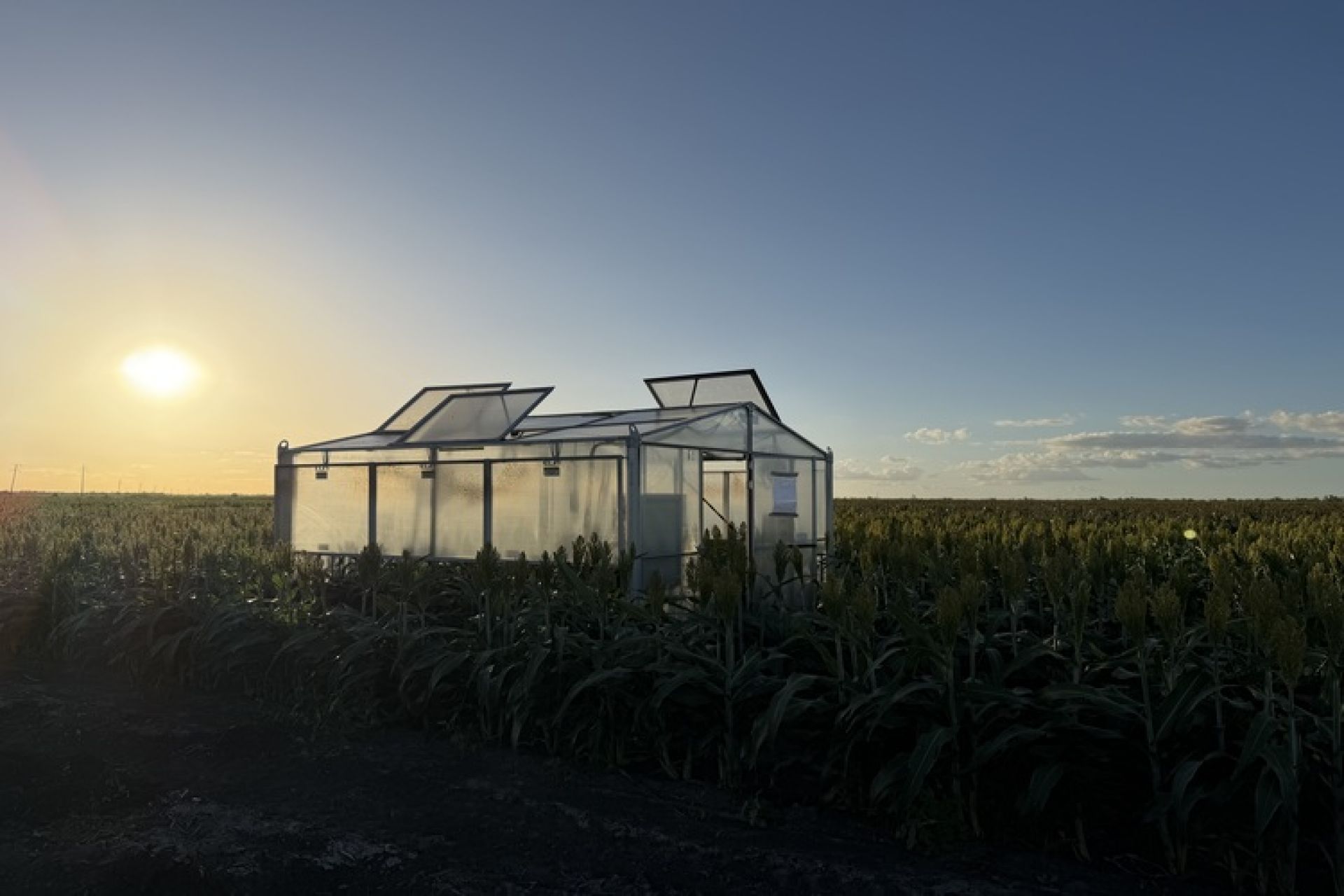
Six in-field heat chambers at the Central Queensland Smart Cropping Centre in Emerald can recreate night-time temperatures up to 3°C warmer under real field conditions.
The technology will be used to investigate how crops respond to heat stress, giving researchers valuable data on how warmer nights could affect crop performance and management.
Developed in partnership with Biora, the chambers are the largest of their kind designed specifically for Queensland conditions. Remote monitoring technology allows researchers to track temperature and other environmental conditions throughout each trial.
The data will help researchers identify practical strategies to maintain crop productivity as climate conditions become more variable.
Putting heat stress to the test
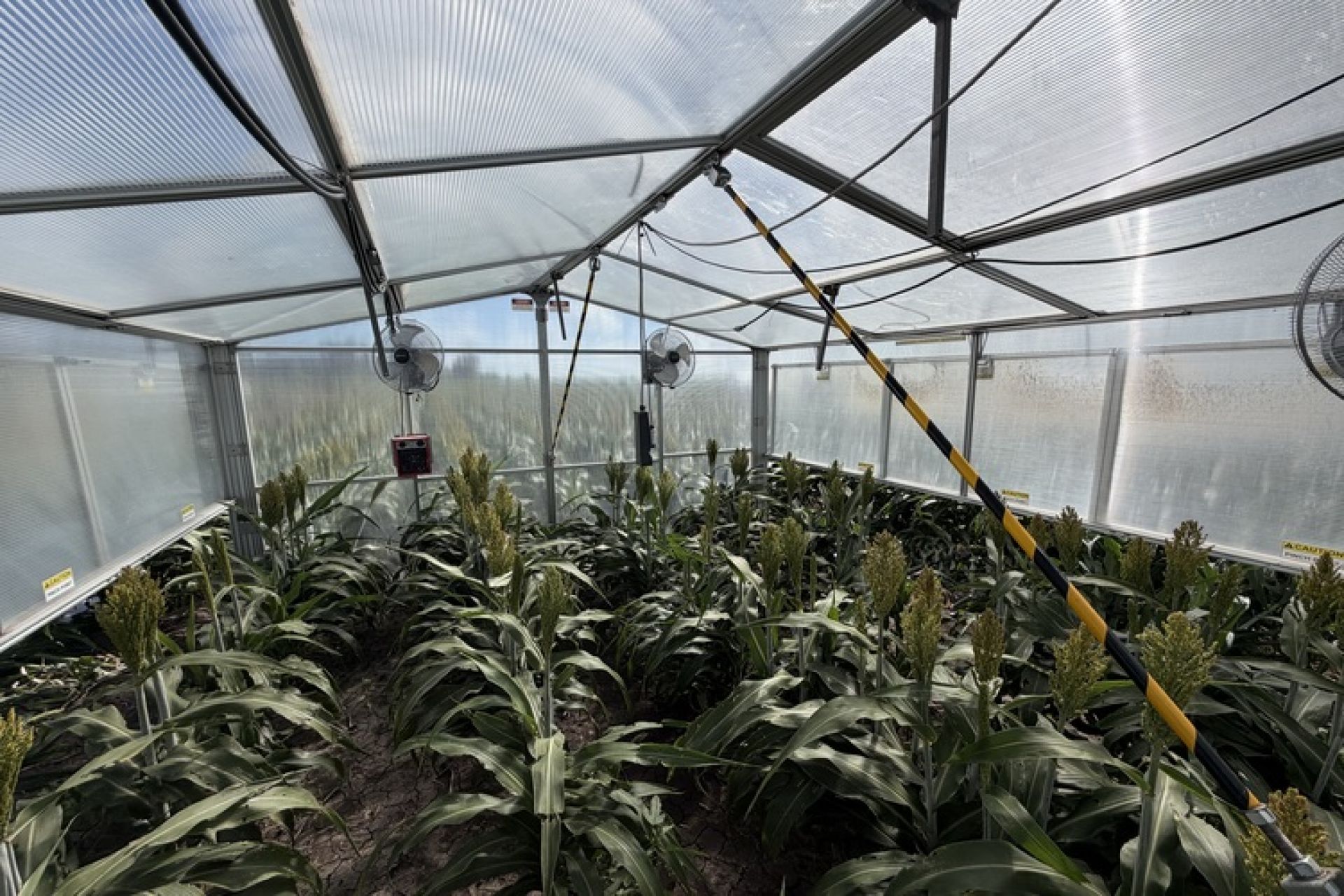
The chambers will be used in research supported by the Grains Research and Development Corporation (GRDC) to investigate the impacts of high night-time temperatures on sorghum.
The research responds to concerns raised by Central Queensland growers about changing temperatures and what warmer nights could mean for crop yields and management decisions.
GRDC Senior Regional Manager Rebecca Raymond said growers had expressed the need for better data to understand the impacts of rising temperatures.
“Growers highlighted they are already seeing changes in their systems, particularly around warmer night-time temperatures and they’ve asked for better data to understand what that means for yield and management decisions,” Rebecca said.
By controlling temperature conditions within field trials, the chambers will give researchers a clearer picture of how crops respond to the environmental conditions.
The data will also contribute to climate productivity research across grains and pulses and help inform management options.
Supporting climate-ready agriculture
Our researchers will use the technology to strengthen Queensland’s agricultural research and AgTech capability, creating new opportunities to investigate how crops respond to a variable climate.
DPI project leader Douglas Sands said the research would help growers make more informed decisions as growing conditions change.
“By using advanced technologies like in-field heat chambers, we are providing Queensland growers with the knowledge to better understand and manage the impacts of an increasingly variable climate,” Doug said.
The technology will help researchers identify which crops, varieties and management practices are best suited to warmer growing conditions in Queensland.
The research will provide local data to help industry prepare for future conditions, reduce production risks and make informed decisions about their systems.
It also supports the Queensland Government’s Prosper 2050 blueprint and its target to increase the value of Queensland’s primary production output to $30 billion by 2030.
Last updated: 23 Oct 2026