Discover how Queensland researchers are revolutionising timber durability through decades-long field trials, shaping the future of construction in Australia.
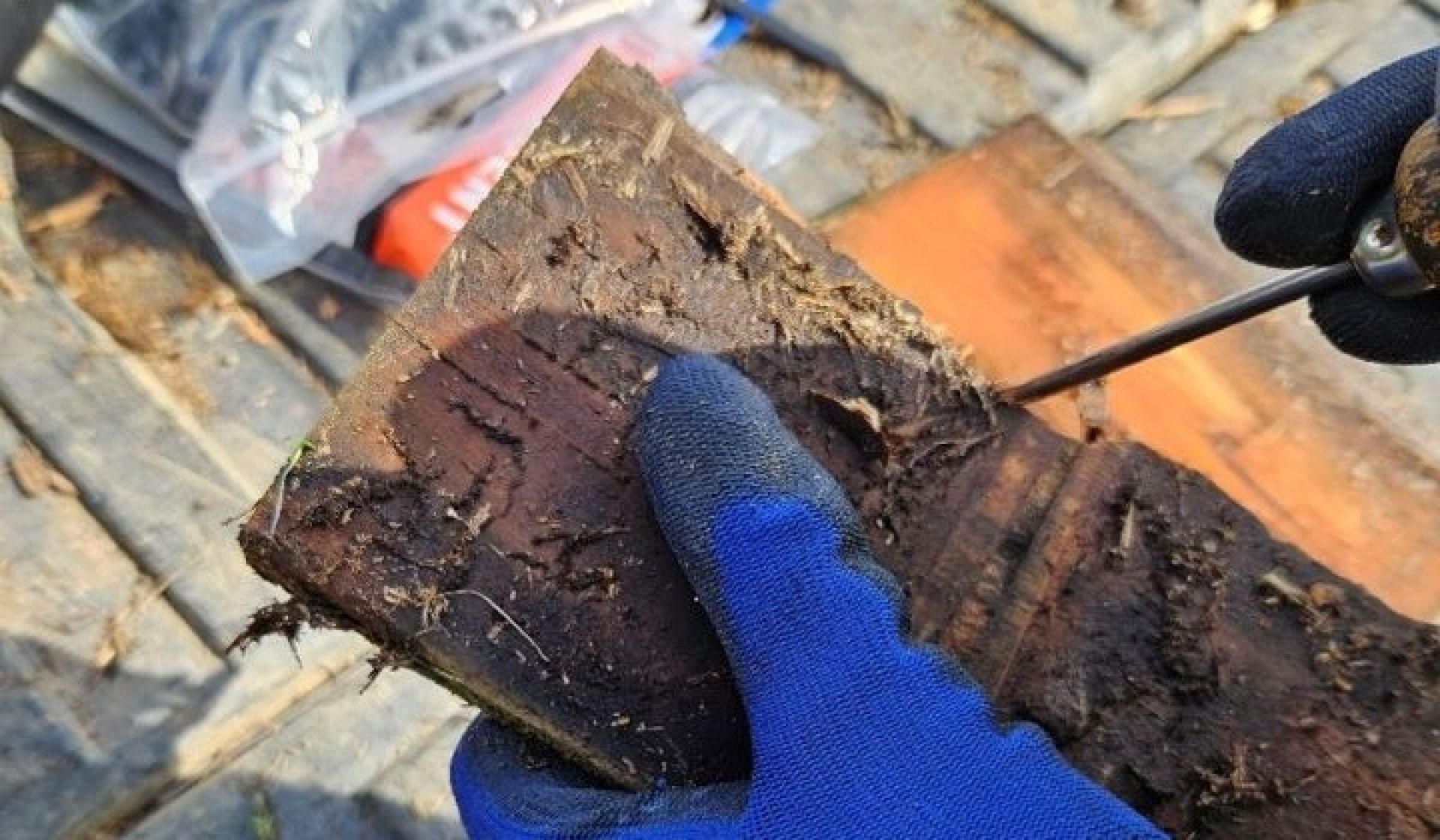
As a key partner in the National Centre for Timber Durability and Design Life (NCTDDL), DPI’s Forest Product Innovation Team at the Salisbury Research Facility is delivering research to improve the long-term performance and reliability of timber products.
Research Project Leader, Mr Stuart Meldrum, explained the durability research includes long-term field trials conducted in accordance with international standard methods.
“This research is providing timber durability performance data that is being used to inform service life predictions, Australian standards and product development for Queensland and national markets,” he said.
“One of our key initiatives is a long-term exposure field trial, involving 41 commercially relevant species, with test samples dating back over 36-years.
"Initially, more than 5,000 samples were exposed at 11 sites throughout Queensland and at 3 interstate sites, with inspections conducted through the trial’s duration.
“More recently, we’ve expanded the scope to include a range of engineered wood products, treated timbers and modified wood systems, addressing key gaps in current knowledge.
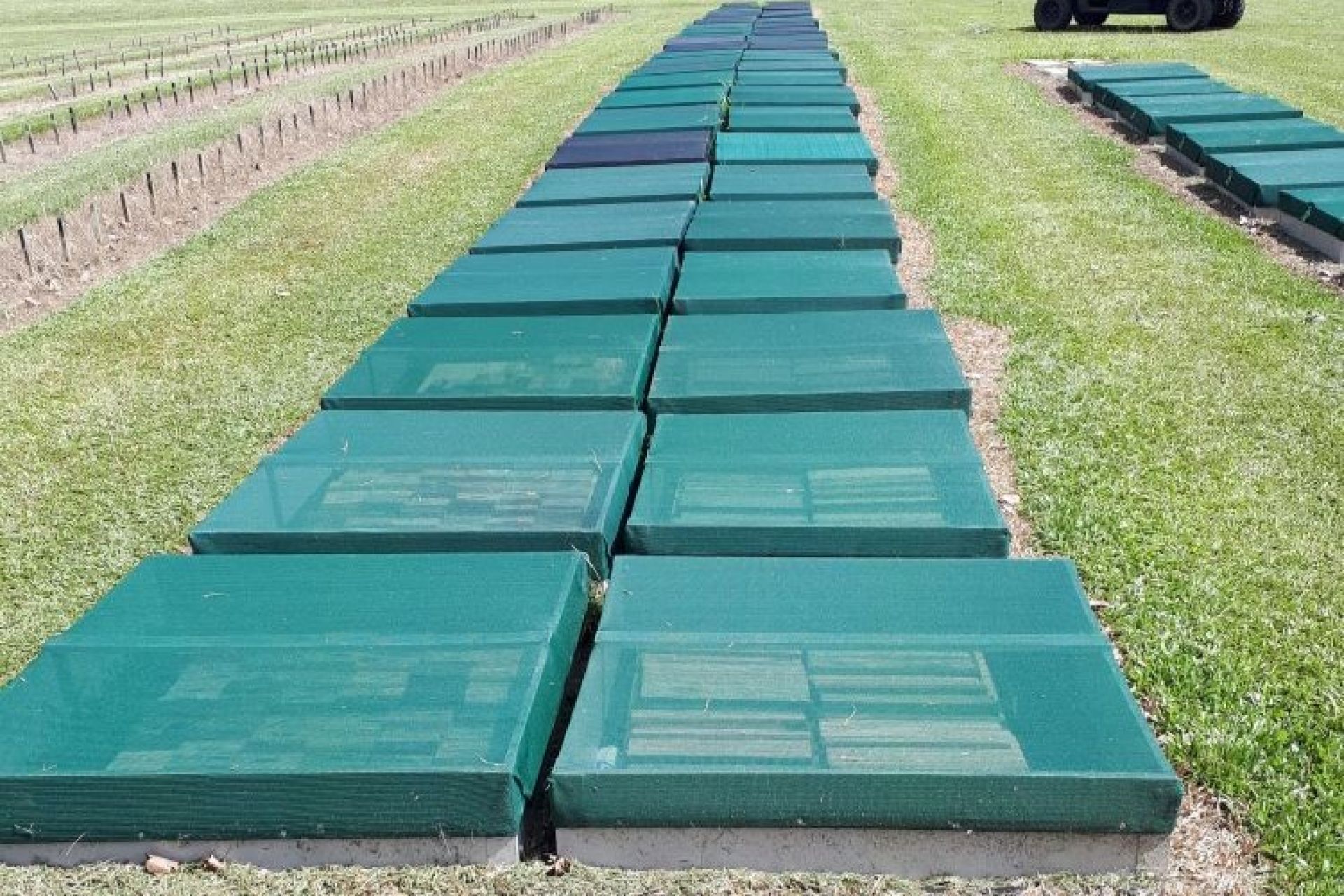
“Approximately 4,000 samples have been exposed in tropical and sub-tropical Queensland, and these are routinely assessed to monitor performance.”
Further work is underway with national and international collaborators to gather data on the impact of climate on timber durability performance.”
These projects are helping to build the data and tools needed to support the uptake of domestically produced timber, for housing across Australia.
This not only contributes to the decarbonisation of the building sector, but also supports modern construction methods, ensuring timber remains a reliable material for the future.
Last updated: 03 Jun 2026