For Michael, fishing is about more than just the catch. It’s about giving back to the resource he treasures.
Michael Fraser’s love of fishing runs deep.
Based in Rockhampton, he gets out on the water as often as conditions allow, sometimes several times a week, targeting everything from grassy emperor and coral trout to offshore species when the weather is right.
For Michael, recreational fishing isn’t just a pastime. It’s a way to stay active, connect with the community, and give back to a shared resource he values deeply.
From tagging to catch reporting
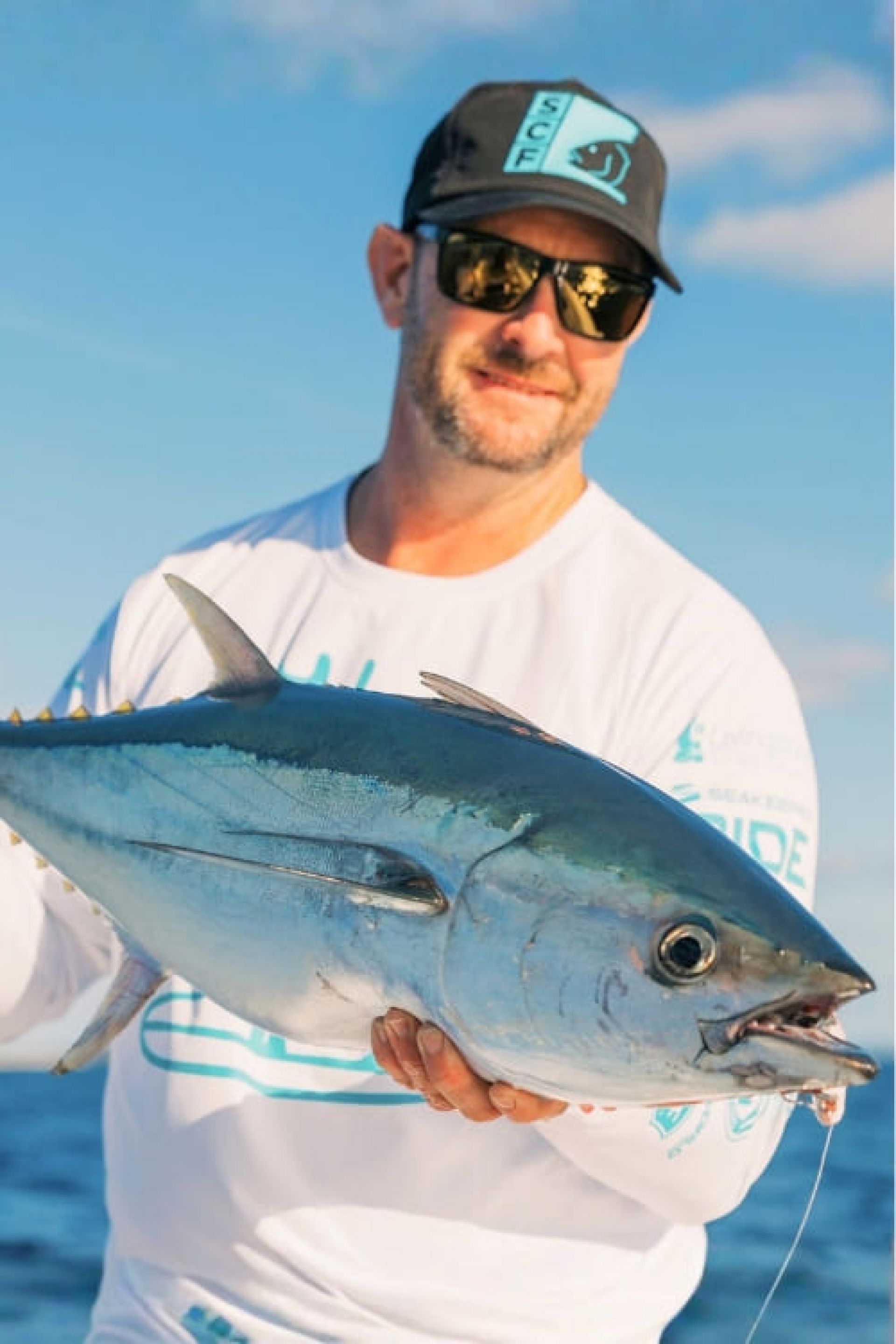
The armed forces veteran became curious about fishing data after catching fish that already carried tags. This soon led him to join the Capricorn Tag and Release Sports Fishing Club (Captag), part of the larger Suntag program.
Michael takes pride in tagging a wide range of inshore and offshore species, particularly the smaller emperors, trout, and redthroats that contribute valuable data about local fish stocks.
When the weather cooperates, he keeps his gear light, heads offshore, and “has the time of his life” tagging fish for science.
Through Captag and Suntag, he contributes data that feeds into fisheries management, university research, and stock monitoring programs.
He sees recreational fishers as key partners in building a more accurate picture of Queensland’s fisheries.
Alongside his Captag Club activities, he has also started reporting his catches in the Qld Fishing 2.0 app.
Filling the gaps
Michael understands the vital role recreational fishers play in improving fisheries data.
He is clear-eyed about the scale of the challenge. Some species are under pressure, and many areas suffer from limited monitoring coverage. Michael sees data collection by everyday fishers as essential to bridging these gaps.
“If recreational fishers give more accurate data, fisheries managers can make better decisions,” Michael says.
He encourages others to log catches honestly, including undersized fish released and fish lost to sharks, because “that’s what managers are missing out on.” Without the full picture, he believes fishers risk losing the very opportunities they cherish.
For Michael, better data isn’t just about numbers. It’s about creating a clearer, more realistic picture of what happens on the water, directly supporting the sustainability of Queensland fisheries.
Community in action
Michael sees recreational fishing as a shared responsibility.
Being part of the fishing community means:
- fishing responsibly
- respecting size and possession limits
- contributing accurate catch data
- looking to the long-term sustainability of Queensland’s fisheries.
His work with tagging and data collection has given him a greater sense of purpose and connected him with a like-minded community of fishers who care deeply about the future of the resource.
Whether he’s tagging fish offshore, helping high school students release juvenile barramundi, or lending his voice to conversations about sustainable fishing, Michael sees stewardship as part of the joy of the sport .
A shared responsibility
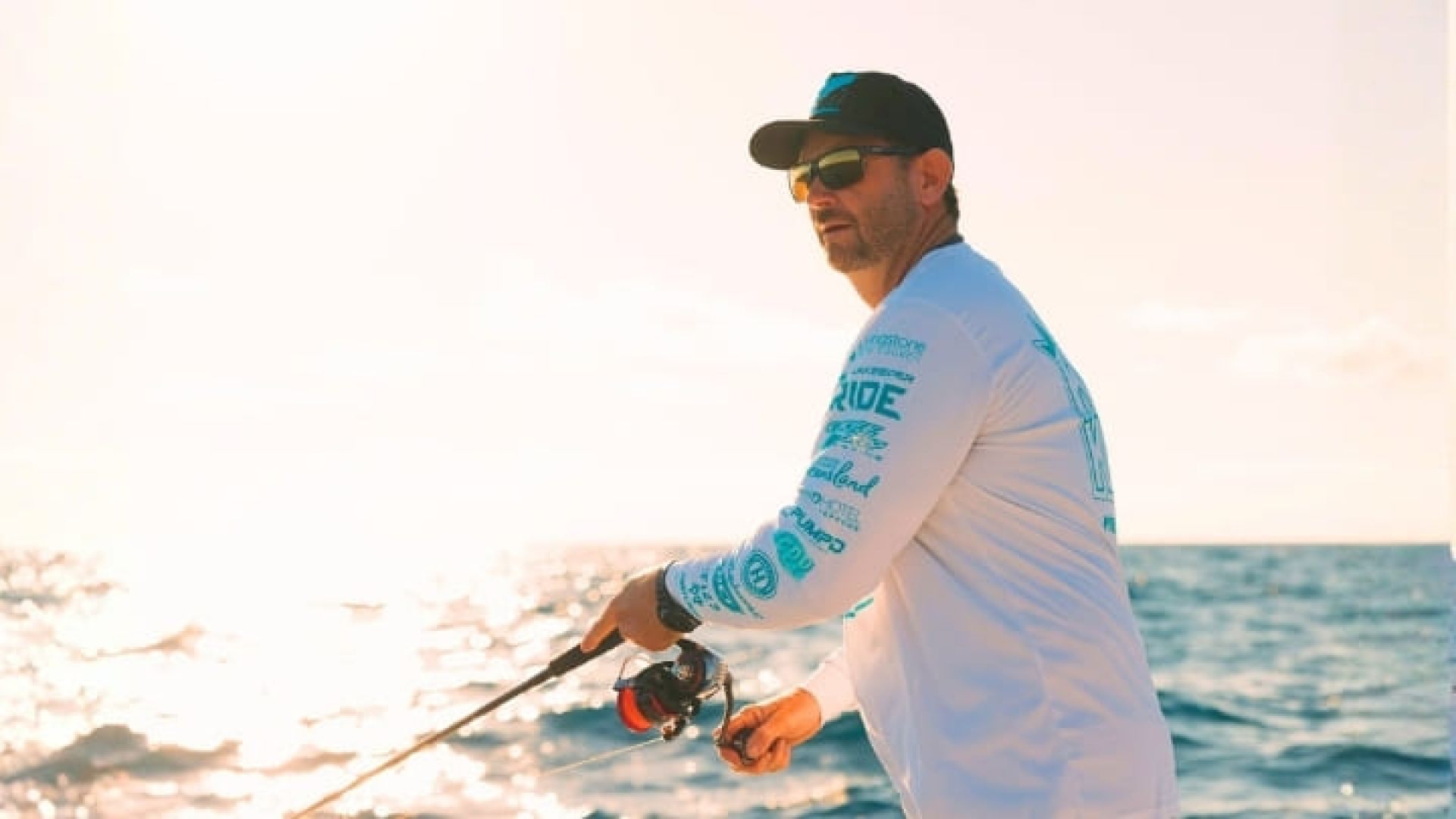
Michael’s message is simple: Queensland’s incredible fishing opportunities will only remain if everyone plays their part.
“It’s an incredible resource available to everyone, but we all need to take responsibility. It will only be there for us to enjoy if we all do the right thing,” he says.
Through consistent catch tagging, responsible fishing, and a genuine desire to give back, Michael is helping ensure Queensland’s fisheries stay healthy, productive, and sustainable for the future.
Last updated: 31 Mar 2026