Queensland businesses are being encouraged to develop or update their biosecurity plans as a key action to mark National Biosecurity Week starting on August 24.

Queensland’s Chief Biosecurity Officer Dr Rachel Chay said every Queenslander had a role to play in protecting the state from plant and animal pests and diseases.
“Biosecurity is something we all contribute to, whether we are a primary producer, landholder, business owner, backyard animal keeper or simply enjoy Queensland’s natural environment,” Dr Chay said.
"Businesses in particular can be significantly impacted by pest and disease outbreaks.
“I would encourage business owners to take the time during National Biosecurity Week to consider how biosecurity risks may impact their operations and how they may need to manage these if it happens.
“Businesses and the community also play a significant role in early reporting, which is critical to managing biosecurity threats. The more eyes on the ground we've got in biosecurity, the better.”
Dr Chay said the current bird flu threat is a reminder that strong biosecurity practices and early detection are essential.
“Queenslanders who keep poultry or other birds should maintain good biosecurity, monitor their birds for signs of disease and report anything unusual,” Dr Chay said.
“National Biosecurity Week is a good opportunity to take a fresh look at your biosecurity arrangements and make sure your plan is up to date.”
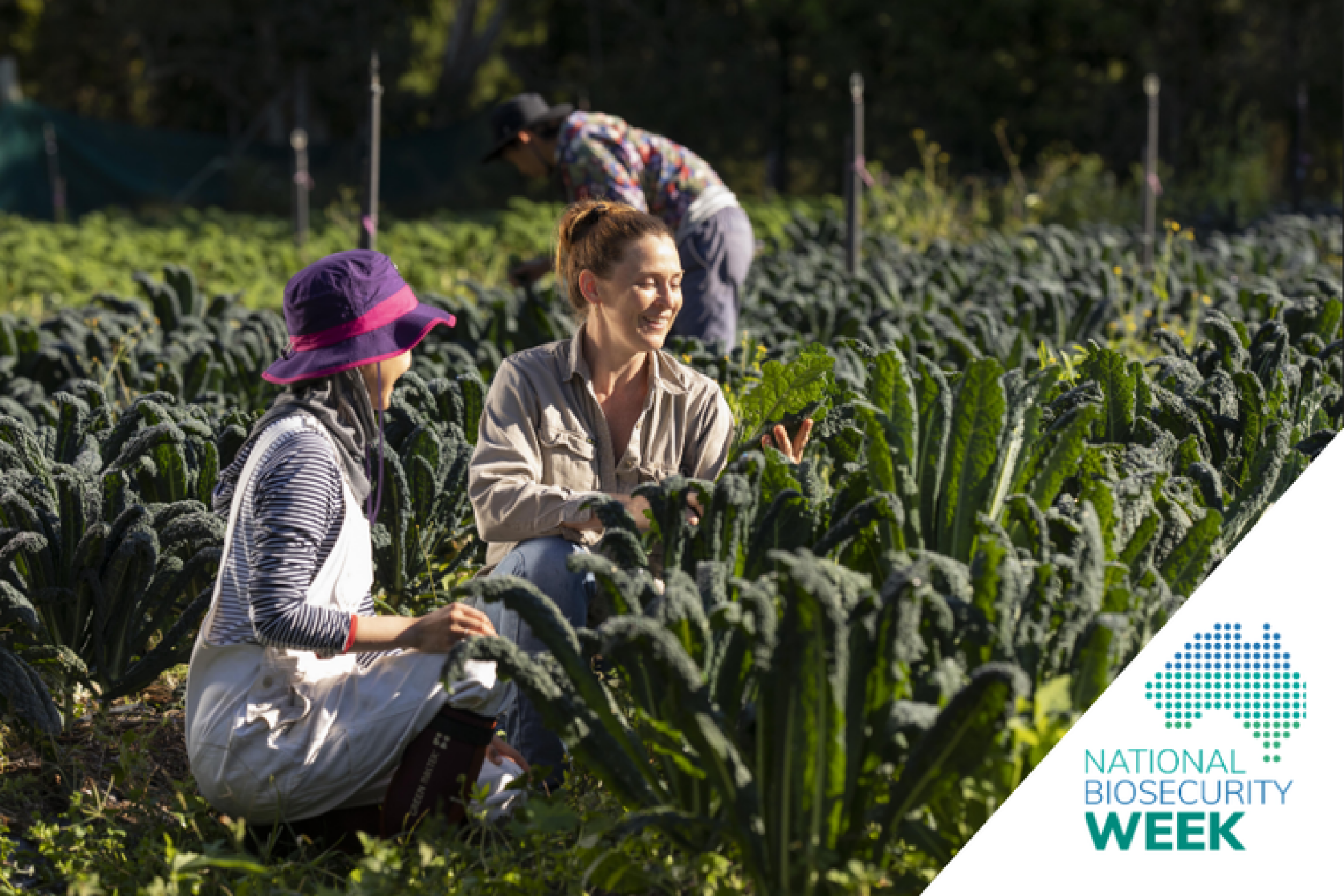
A biosecurity plan can help identify risks and set out practical steps to manage them, including:
- managing visitors and vehicles
- maintaining good hygiene
- keeping records of animal and plant movements
- checking incoming equipment and supplies
- knowing what signs of pests and diseases to look for and where to report anything unusual
For poultry and bird owners, simple measures such as preventing contact between domestic and wild birds, keeping equipment clean and monitoring bird health can help reduce the risk of disease introduction and spread.
“Having a plan in place means you are better prepared to respond when a biosecurity risk emerges,” Dr Chay said.
Good biosecurity starts with knowing the risks, taking practical steps to manage them and reporting anything unusual as soon as possible.
Take the time this National Biosecurity Week to check your biosecurity management plan – because protecting Queensland is everyone's responsibility.
For more information on good practices, go to Develop a biosecurity plan for your property and www.farmbiosecurity.com.au.
Last updated: 20 Aug 2026