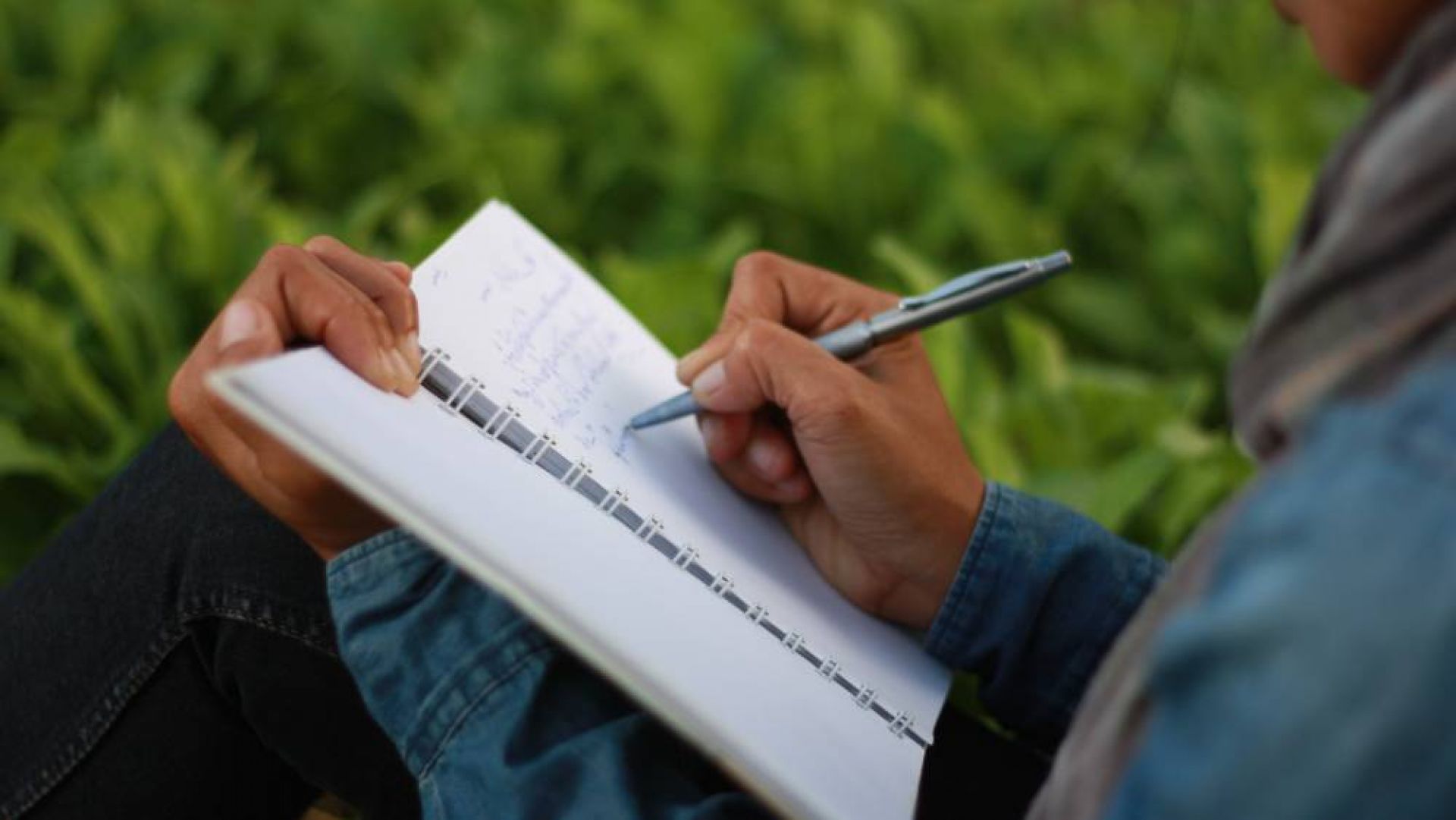
A biosecurity plan documents the various biosecurity risks within and outside of your property and outlines measures to manage these risks.
Having a plan in place will help to minimise the introduction and spread of infectious pathogens and disease, and in turn helps protect your animals, plants and lifestyle.
A map of your property
On your map, identify your boundary, and mark out animal enclosures and fruit and vegetable growing areas.
The first line of defence against pests and diseases entering your property is a secure boundary around these areas. Many online mapping resources are available.
An outline of the production stages
Draw a flow chart of your production stages, including your inputs and outputs and the potential biosecurity risks that could occur at each stage.
These will vary depending on what:
- animals you keep
- plants you are growing
- you are producing eg. eggs, fruit, milk, honey, vegetables.
What your inputs are – what enters your property
Identify what comes onto your property. Anything that enters your property has the potential to introduce plant and animal pests and diseases.
Some examples of what may enter your property include:
- new animals and plants
- water
- people
- pests–wild animals, vermin, insects
- animal bedding material
- feed
- seeds and fertilisers
- vehicles
- drinking and watering/irrigation equipment
- egg cartons and vegetable crates
- other animals–domestic pets and domestic livestock and poultry.
It is important to identify, control and monitor all movement onto and within your property by animals, people, vehicles and equipment as they are all potential risks.
What your outputs are – what leaves your property
Biosecurity is also about preventing the spread of pests and disease off your property.
Identifying your outputs will highlight any potential ways plant and animal pests and diseases could leave your property.
Examples include:
- eggs, milk, dairy and meat products, honey, vegetables, or fruit you are exhibiting, selling or giving away
- animals you are exhibiting, selling or giving away
- animals that have died
- manure
- used bedding
- people
- vehicles.
Measures to manage the risk of biosecurity matter entering your property
Biosecurity matter is disease, or a pathogenic agent that can cause disease.
Diseases can enter and exit your property in many ways. It is important to identify all entry and exit risks and have procedures to reduce or manage these risks.
The main risks of disease spread are:
- contaminated people
- contaminated equipment and vehicles
- wild birds, wild animals and vermin
- domestic animals
- animal and plant or plant matter movement
- feed and water
- air.
The Biosecurity Act 2014 has more information about biosecurity matter.
Keep records
Keeping routine records is vital for managing biosecurity risks, and is simply good practice overall for managing your property and business.
Keeping records is also a practical and effective way to meet your general biosecurity obligation under the Biosecurity Act 2016, helping to protect not only your property but also your neighbours, local community, and the environment from biosecurity risks.
Always keep records of:
- deliveries including feed, fertiliser, animals, plants and seeds
- visitors including contractors, service people and vets
- vaccinations and medications administered to animals
- water usage
- animal enclosure conditions
- animal deaths
- animal movements
- sales (i.e. where your animals, plants or produce are sold)
- rodent control
- staff training if people are working at your property.
Find out more
- Read the biosecurity toolkit and find a range of biosecurity records templates and examples to use for your property.
- Use My Property Check in tool to help record all visitors to your property.
- Watch a series of biosecurity related educational videos.
- Contact us online, by phone or in person.
Last updated: 16 Jun 2026