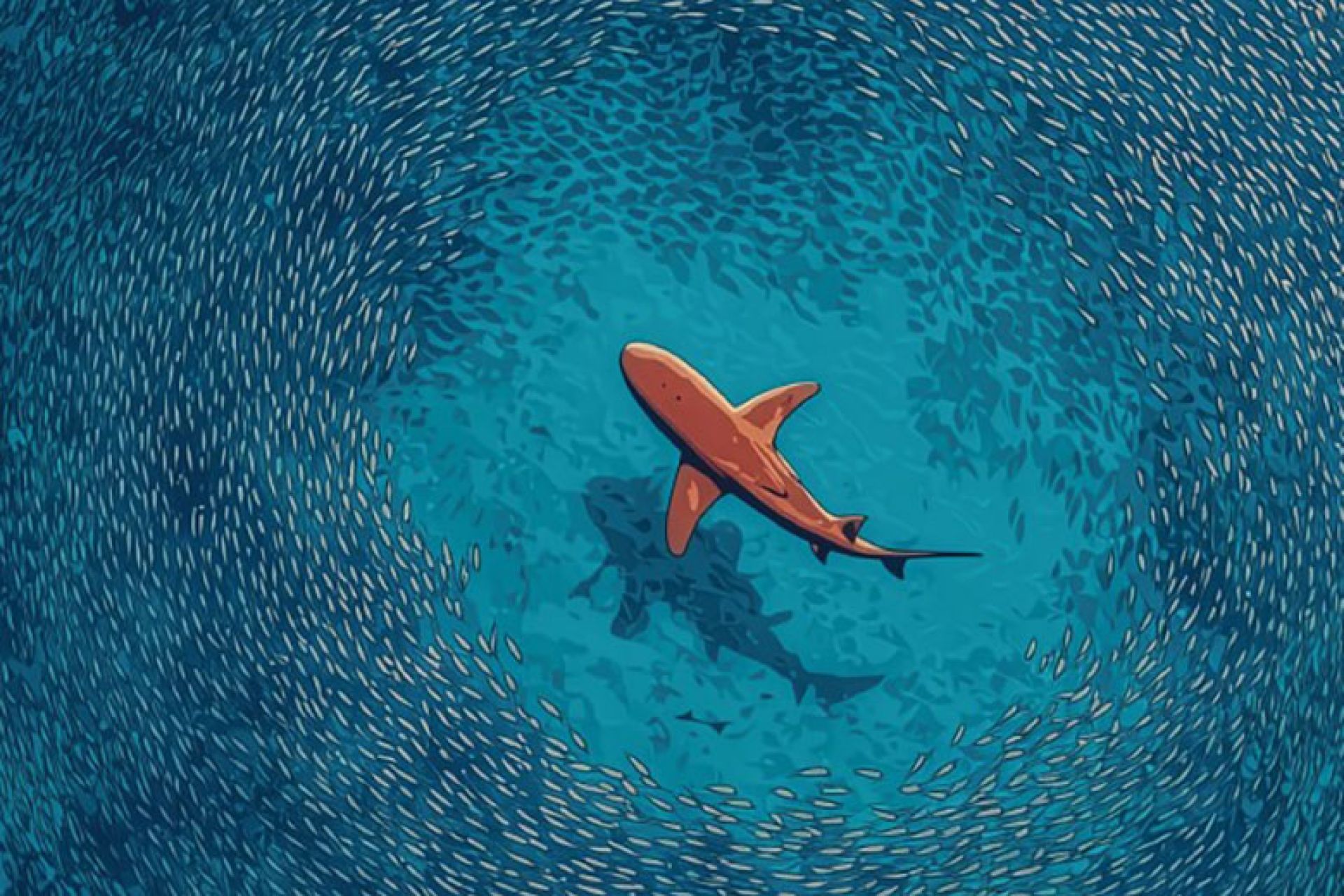
Follow the SharkSmart tips and be SharkSmart every time you are on or in the water.
Swim between the flags and check local signage

Lifesavers and lifeguards watch the red and yellow flagged areas and will alert you if there are hazards.
Always swim between the flags at patrolled beaches because if lifesavers and lifeguards can't see you, they can't save you.
If a shark poses a risk, lifesavers and lifeguards will alert you.
If there's no patrolled beach near you, check and follow the instructions on signs before going in the water. Some areas, such as Cid Harbour in the Whitsundays, are designated as no swimming zones.
Signs may also warn of other marine risks such as stingers or crocodiles.
Swim, surf, snorkel and dive with a buddy
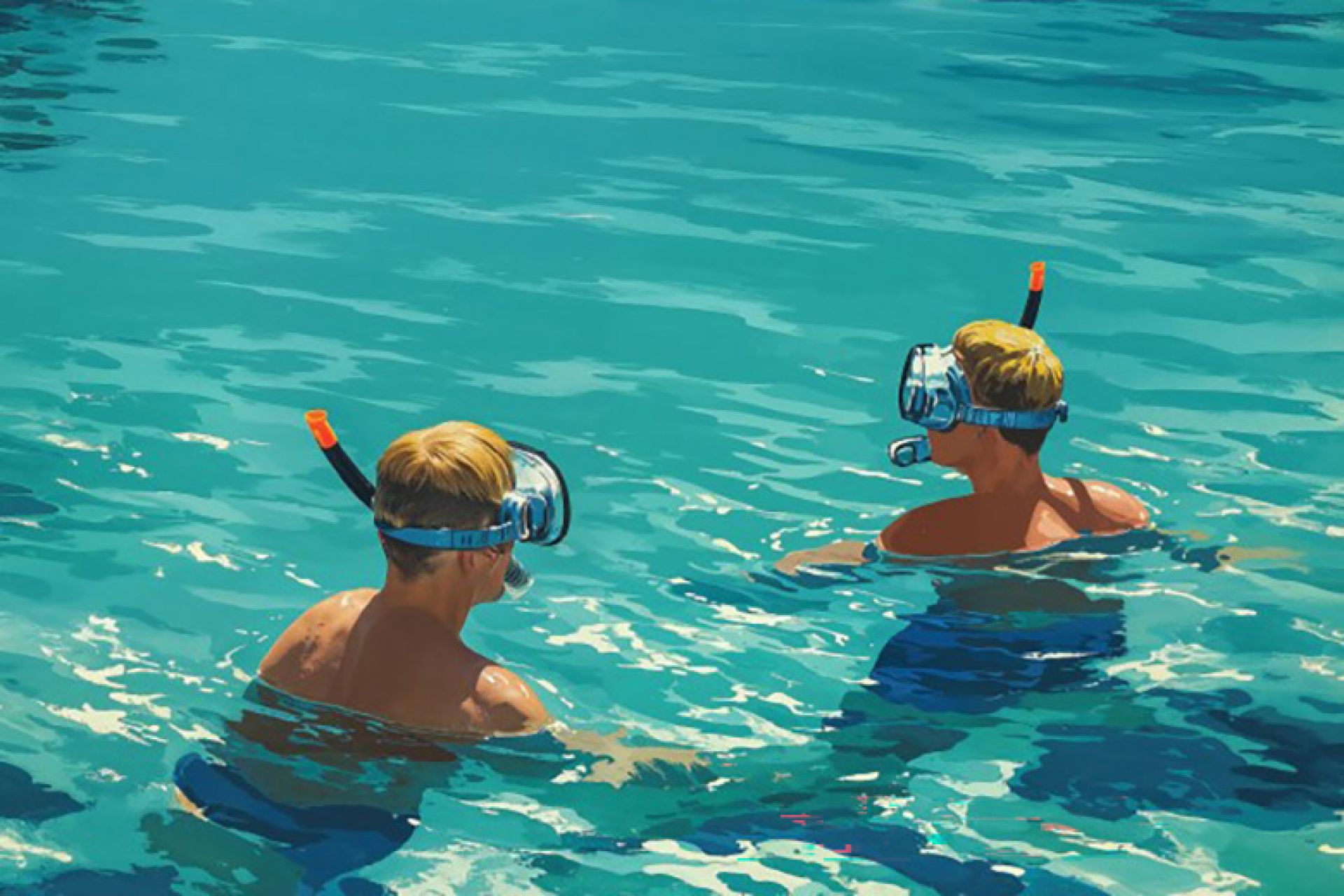
Have a buddy and look out for each other to spot marine risks such as sharks, stingers, crocodiles, rough conditions and rips.
Buddies can also help each other in the water.
Leave the water together if conditions change.
Avoid swimming near people fishing and do not fish where people swim

Don't swim near people fishing, as fishing activities can also attract sharks.
Never chum or berley (scatter bait on the water to attract fish) in areas where people swim.
If you are fishing, don't throw your scraps, fish frames or leftover bait in the water unless you're far away from people swimming.
Swim in clear water

Some sharks (like bull sharks) prefer to hunt in murky waters where they rely less on vision and more on their other senses.
Avoid swimming near river mouths, estuaries and canals, especially after rain when the water is particularly murky.
Always swim in clear water where you can see what is around you, and leave the water if conditions change.
Avoid swimming from dusk to dawn

Some shark species are more active from dusk to dawn.
Sharks use their vision to detect prey or threats and could mistake you for prey in the dim conditions from dusk to dawn.
Swim during the day when you can easily see what is around you and be clearly seen by others.
Minimise splashing

Erratic movements, jumping into water and excessive splashing can attract sharks because it mimics the movements of distressed prey.
Sharks are highly sensitive to the vibrations and disturbances in the water, so keeping your movements calm and controlled can help reduce your risk.
Avoid areas with signs of bait fish or feeding activity
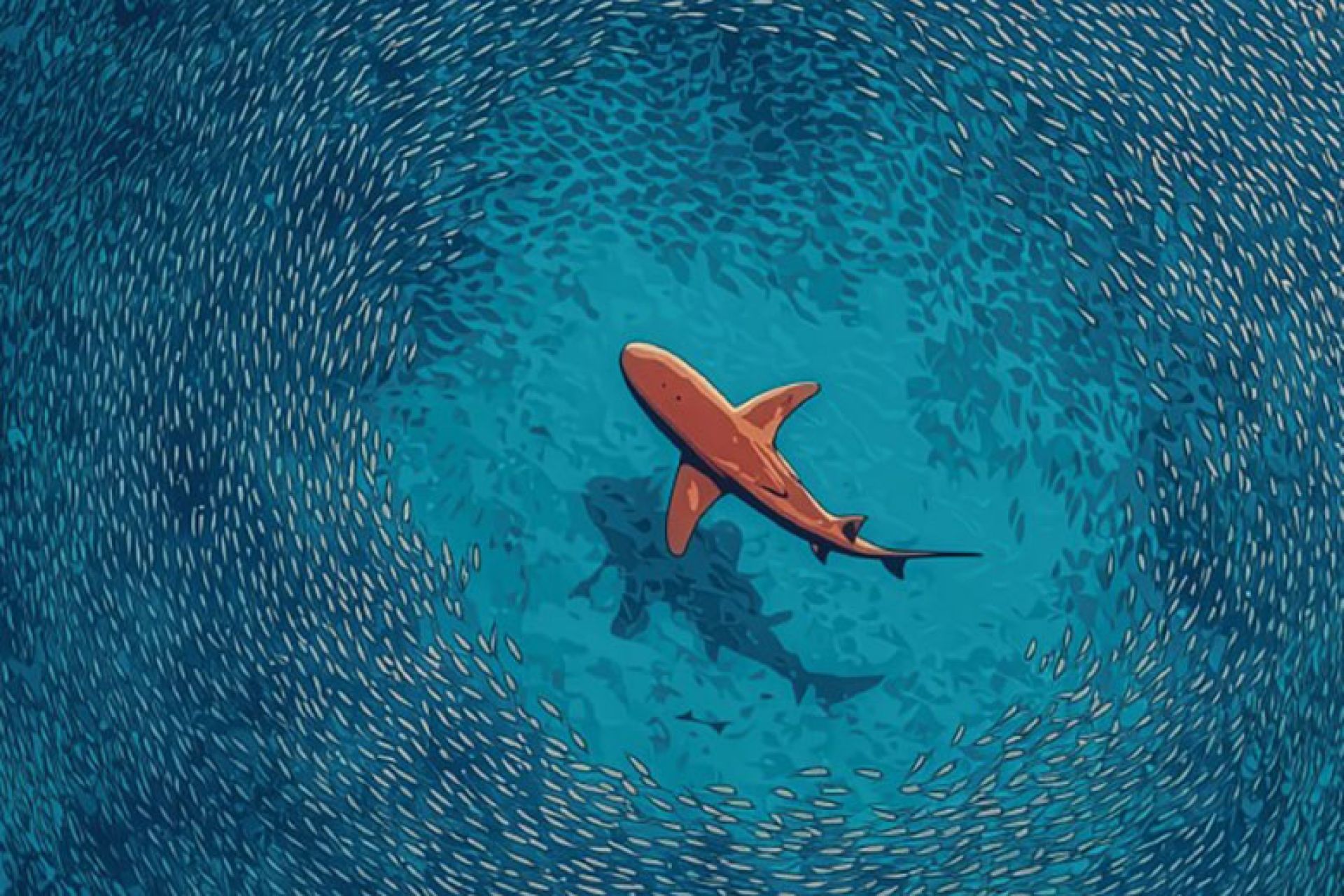
Sharks are attracted to feed on large schools of bait fish.
Diving birds are often a good sign of bait fish in the water, meaning sharks could also be in the area.
Stay out of the water or leave the water if you see large schools of bait fish or diving birds.
Avoid swimming in river mouths, harbours and canals

River mouths, harbours and canals are high-risk areas because they often have murky water, strong current and increased activity from marine life, including sharks.
Species such as bull sharks commonly use these environments to travel and hunt, especially after rain when visibility is low.
Avoid steep drop offs

Steep underwater drop offs can be risk zones because they create natural pathways where sharks travel and hunt.
These deeper, darker areas offer ideal conditions for sharks to pass closer to shore unseen. When swimming or diving, stay in well-lit, gradual sloped areas where visibility is better.
Do not feed, touch or provoke sharks

Feeding, touching or provoking sharks can encourage dangerous behaviour by teaching them to associate people with food.
Many shark species will take an easy meal if offered, which can increase the likelihood of close encounters and risky situations for both humans and marine life.
Always keep a respectful distance, avoid disposing of bait or fish scraps near swimming areas and never attempt to interact with sharks in the water.
Last updated: 28 May 2026