Hitchhiker pests are any pests, like insects, weeds, or small animals, that 'hitch a ride' on vehicles, machinery, equipment, or goods being moved from one place to another.
Hitchhiker pests are any pests, like insects, weeds, or small animals, that "hitch a ride" on vehicles, machinery, equipment, or goods being moved from one place to another.
Global trade and online shopping have increased the availability and accessibility of food, clothing and other goods worldwide. With this convenience however, comes the risk of bringing in pests, weeds and diseases from overseas that could stow away in shipping containers and packaging.
If established, invasive pests, weeds and disases can have a devastating impact. They can impact our natural ecosystems, human and animal health, and our unique outdoor way of life. Invasive plant and animal species can also cost billions of dollars per year in the management, control, and economic loss.
Australia is currently free from some of the most serious hitchhiker pests in the world and we can all do our part to keep it that way.
Learn more about hitchhiker pests.
Look for hitchhiker pests
There are simple things you can do to help:
- Do your research before you buy, and only buy from reputable traders.
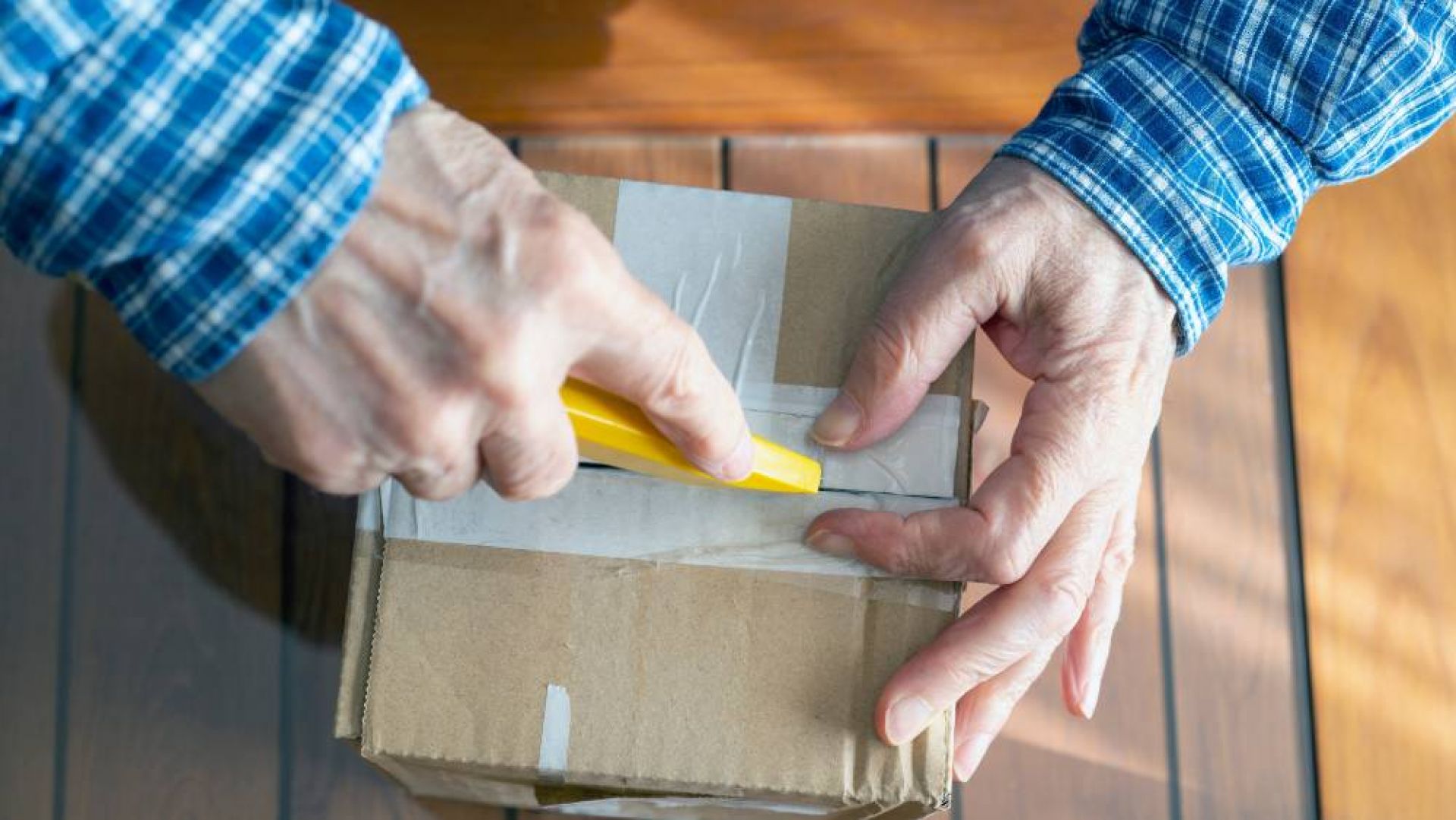
- Always check the packaging for any suspicious hitchhikers like eggs, soil and bugs.
- Pests can hide in the packaging, boxes, padded parcels, and materials made of plant fibre, wood and fabric.
If you do find anything suspicious-looking in a product you’ve purchased, don’t just throw it in the bin – throwing it away may accidentally spread the pest.
If you spot something unusual, secure it and report it immediately to Biosecurity Queensland.
And key point – you’re not going to get into trouble for reporting. This is the most important thing you can do.
By making a report, together we will have the best chance of containing a biosecurity problem before it spreads.
How to report
- 1st – snap a clear photo – from different angles if you can.
- 2nd – pop the pest in a jar or container, then into the freezer to preserve it.
- 3rd – give us a call on 13 25 23 to report it.
- We’ll be in touch to advise on any further steps to be taken.
If you're buying items online, check for animal or plant material such as insects, seeds, and soil that may be hidden in packages, especially from overseas. If you spot something unusual, secure it and report it immediately to Biosecurity Queensland on 13 25 23.
If you see anything unusual or unexpected around imported shipping containers or recently imported goods, secure it and report it to us immediately.
Watch the Spot and report anything unusual video to find out more.
Protect your property
Take these steps today to protect your property from biosecurity risks.
Stay informed
- Stay up to date with biosecurity risks and their management through Queensland Government and Australian Government newsletters and alerts.
- Know how to report a biosecurity pest or disease, including fire ants.
- Learn more about the work of Biosecurity Queensland.
Strengthen your supply chain management
- Buy from trusted suppliers who comply with biosecurity regulations.
- Minimise risks by ensuring anything you are buying from overseas is treated, inspected or certified before shipment.
Complete a free course
Look for courses on the National Biosecurity Training Hub, which is a central platform for biosecurity training:
- Hitchhiker pests
- Plant biosecurity in Australia
- Fire ant training for workplaces
- Come clean, stay clean, go clean when visiting farms
- Emergency animal disease response—movement controls.
Maintain hygiene and sanitation
- To help prevent pest infestations, keep facilities and vehicles clean and dispose of waste responsibly.
- Encourage your visitors to watch come clean, go clean.
Monitor items entering your property
- Regularly inspect goods, vehicles and facilities for signs of pests or contaminants.
More information
Last updated: 16 Jun 2026