Species
- Sand whiting (Sillago ciliata)
Fish stock status
Although a species may be classified as sustainable under the Status of Australian Fish Stocks (SAFS) framework, this does not mean that the stock is meeting Queensland targets under the harvest strategy.
| Stock | 2023 | 2020 | 2018 | 2016 | 2014 |
|---|---|---|---|---|---|
| Queensland | Sustainable | Sustainable | Sustainable | Sustainable | Sustainable |
Stock assessment
Monitoring
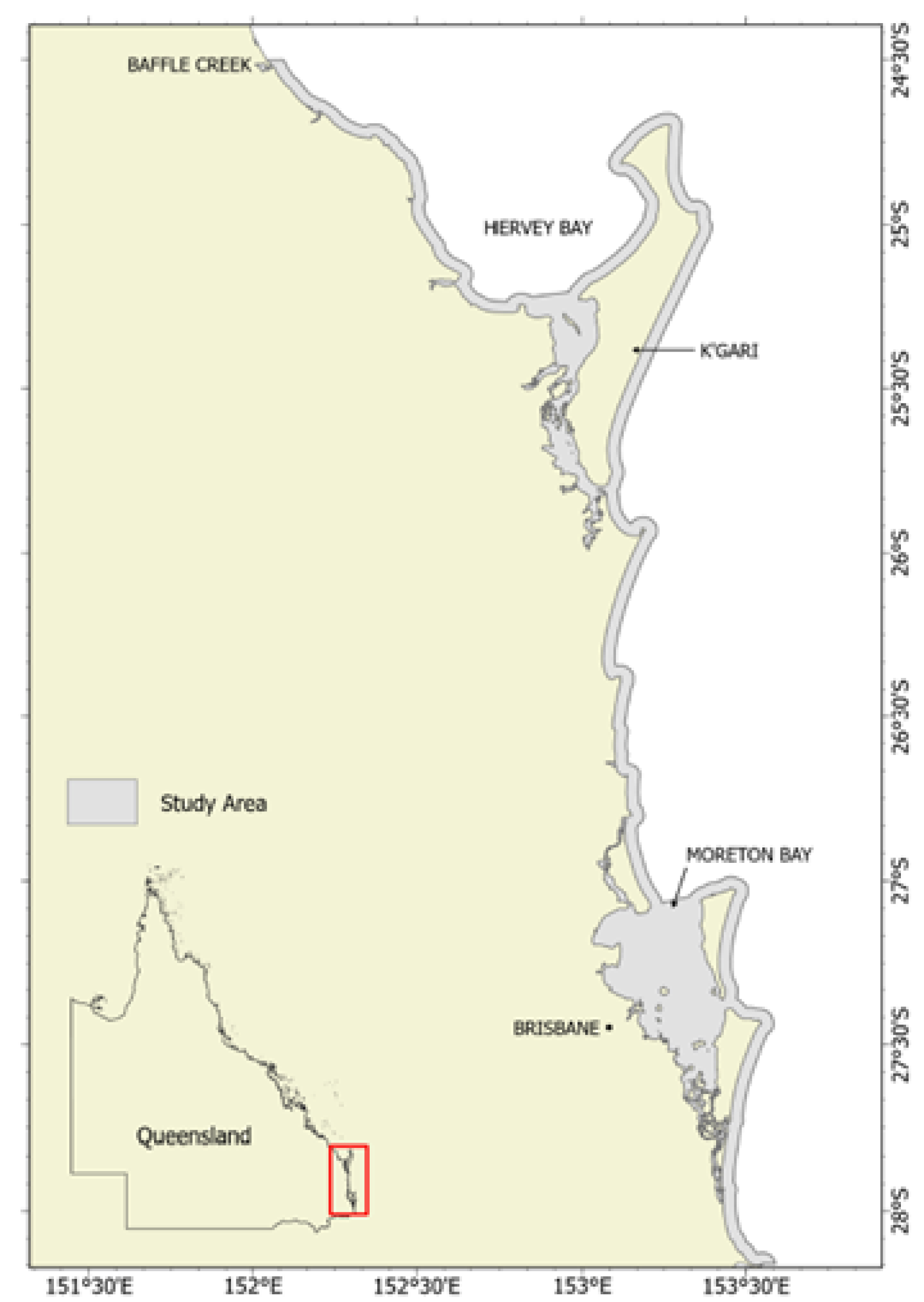
The biological monitoring program collects data on length, sex and age of fish caught by commercial and recreational fishers.
Sampling of commercial catches occur between Baffle Creek (north of Bundaberg) and the Queensland - New South Wales border.
Sampling of recreational catches extend north of the commercial study area to Cooktown.
The data is collected through the boat ramp survey and Keen Angler Program.
Data collection began in 2006 and is ongoing.
Length
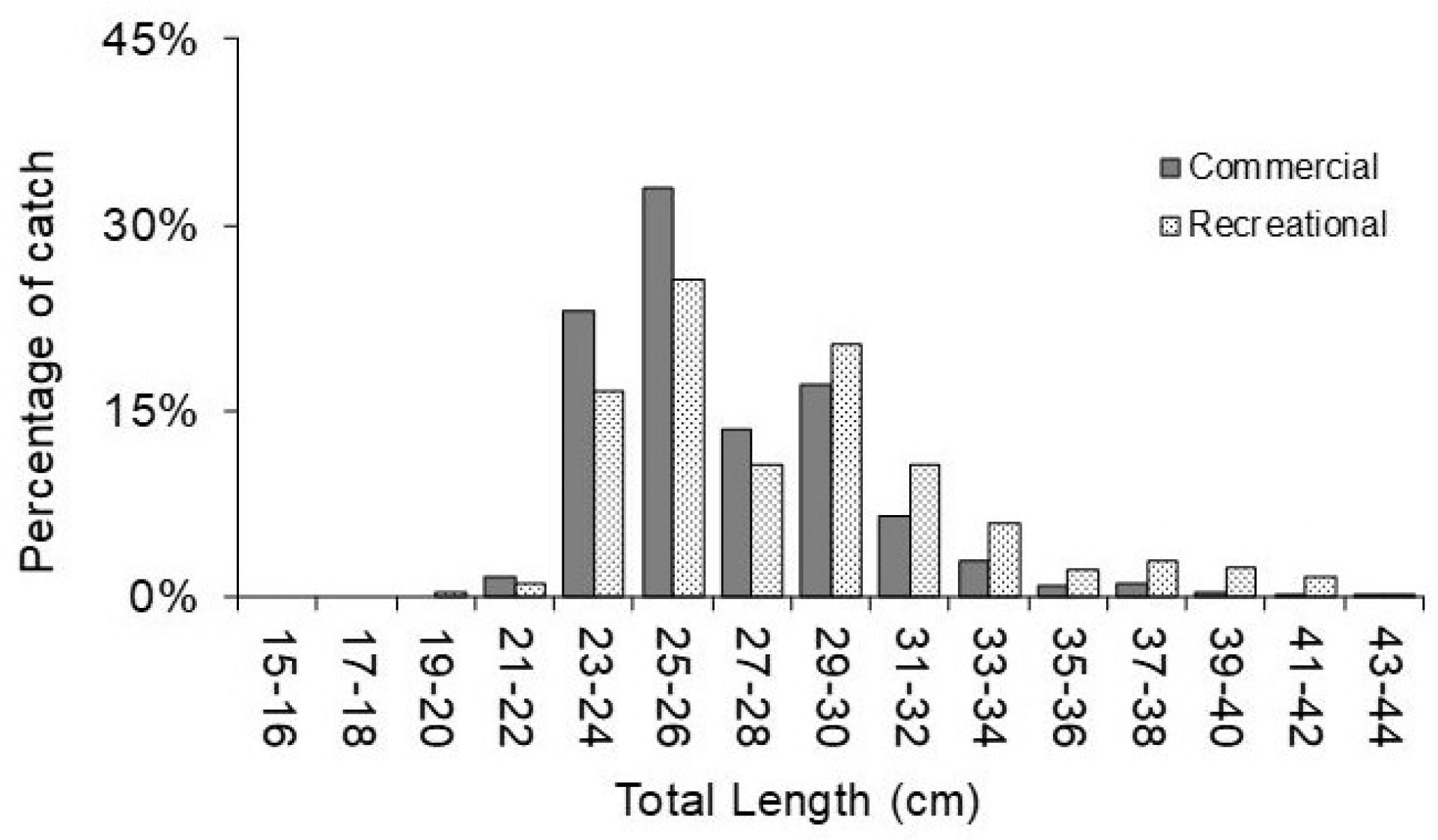
Both sectors harvest a similar length range of sand whiting (23cm total length to over 40cm total length).
The most frequently harvested length class is 25cm to 26cm.
A higher proportion of the recreational harvest is made up of fish larger than 28cm total length than for the commercial harvest.
This is likely to be related to the selectivity of the fishing gear used and the areas fished.
Age
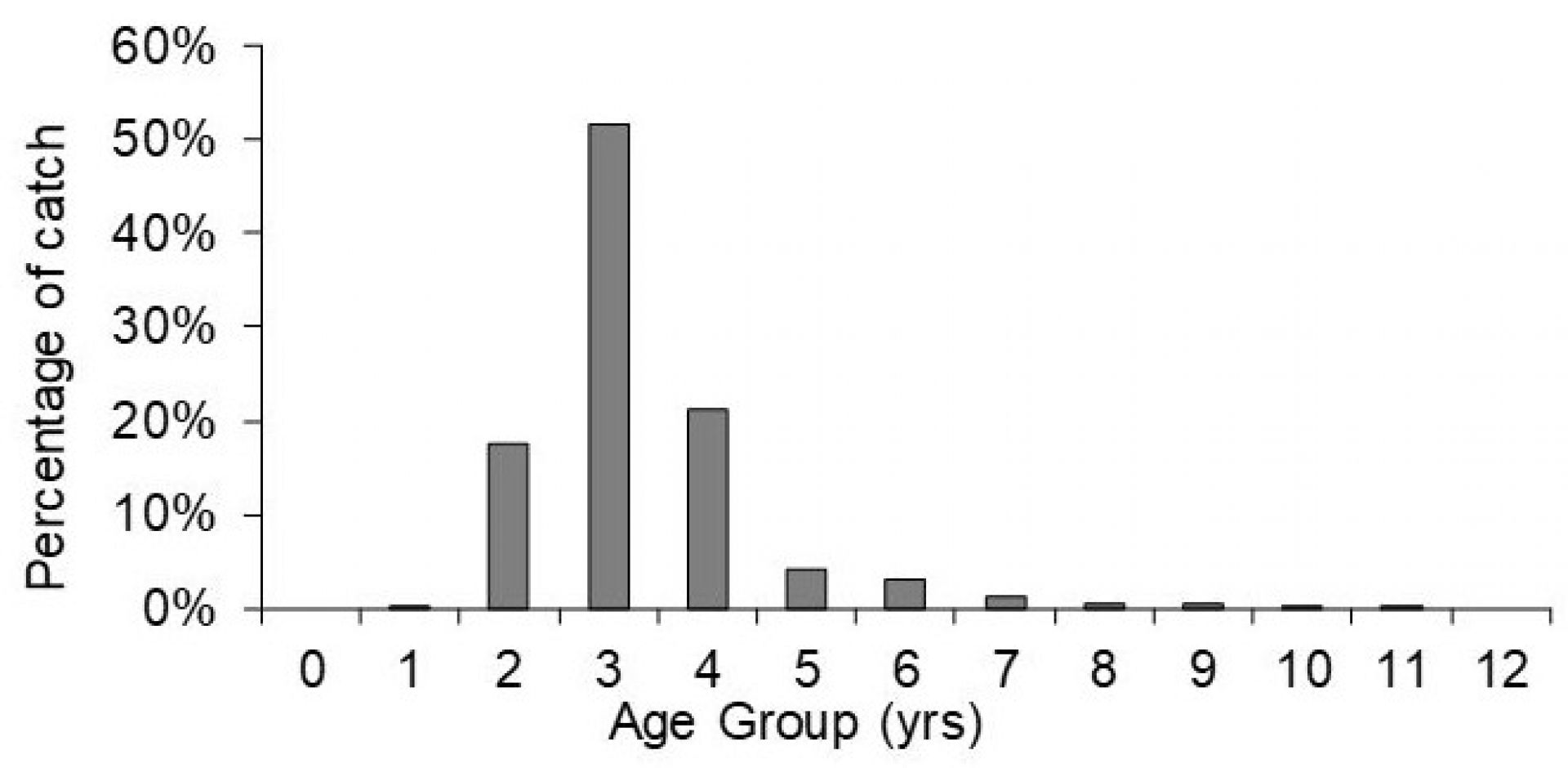
Sand whiting caught by both the commercial and recreational fishery sectors are dominated by 3 and 4 year old fish.
The oldest fish aged by the program to date were 11 years of age, and ranged in size from 33cm to 44cm total length.
Ecological risk assessment
Assessed in the east coast inshore fishery.
Management
East coast inshore fishery:
Last updated: 10 Jul 2024